Tanzania is one of the world’s most photogenic destinations, offering a rich tapestry of landscapes and extraordinary wildlife. From the sweeping plains of the Serengeti to the dramatic cliffs of the Ngorongoro Crater and the pristine beaches of Zanzibar, every corner of Tanzania provides unique photographic opportunities. For photographers—whether professionals, hobbyists, or first-time wildlife photographers—understanding the country’s terrain, seasonal wildlife movements, and ideal shooting conditions is essential to capturing its beauty.
This guide provides a comprehensive overview for photographers aiming to make the most of Tanzania’s diverse natural scenery and abundant wildlife.
Planning Your Photography Safari
Preparation is the key to a successful photography safari in Tanzania. Consider the following:
Equipment:
Wildlife photography typically requires long lenses (300mm–600mm) for distant animals, while wide-angle lenses (16mm–35mm) are ideal for landscapes, sunsets, and the iconic savannah vistas. Tripods, monopods, and sturdy camera bags are essential, especially for uneven terrain.
Timing:
Lighting is critical. The early morning and late afternoon provide soft, golden light, known as the “golden hour,” which enhances both landscapes and animal portraits. Midday light can be harsh but works well for certain wildlife shots with proper exposure settings.
Season:
Tanzania’s wildlife patterns shift with the seasons. The dry season (June–October) is best for predator spotting and Big Five photography as animals gather near water sources. The Great Migration peaks between July and September, offering unparalleled opportunities to capture wildebeest river crossings, zebras, and dramatic predator-prey interactions.
Capturing Wildlife
Tanzania is home to the Big Five—lion, elephant, buffalo, leopard, and rhinoceros—along with cheetahs, giraffes, zebras, hippos, wildebeest, and countless bird species. Here are tips for photographing wildlife effectively:
Composition:
Use natural frames such as trees, rocks, or waterholes to create depth. Position animals according to the rule of thirds for balanced composition.
Behavioral Shots:
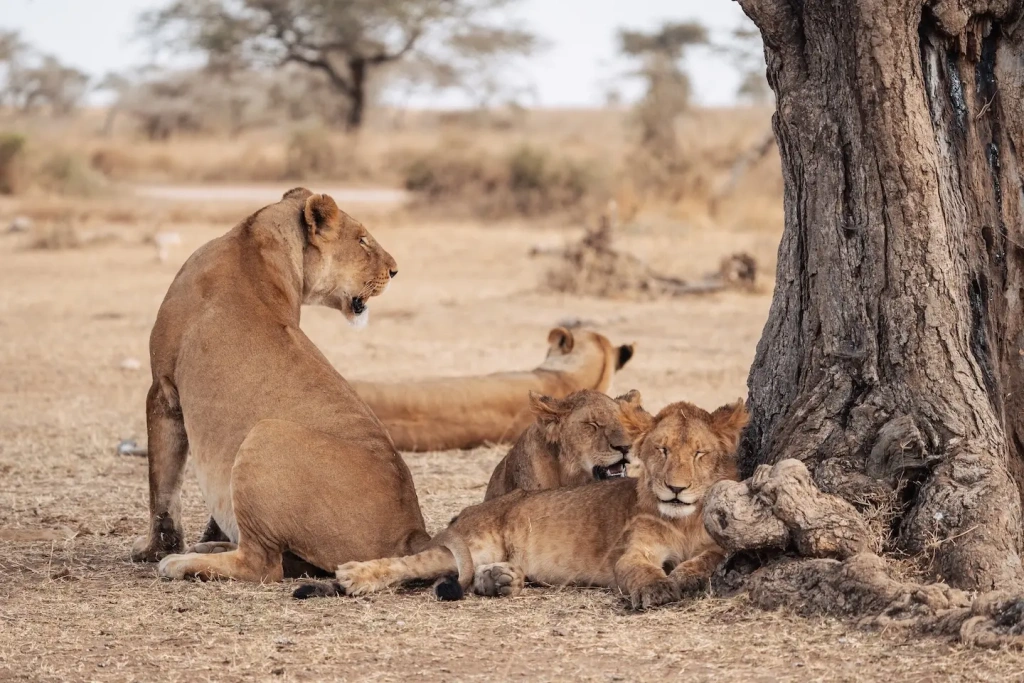
Focus on animal behavior, such as lions resting in the grass, elephants drinking at a river, or giraffes feeding on acacia trees. These shots tell a story rather than just capturing an animal’s appearance.
Patience and Observation:
Wildlife photography requires time. Study animal movements and anticipate actions for more dynamic shots. Use quiet observation to avoid disturbing your subjects.
Landscape Photography
Tanzania’s landscapes are as diverse as its wildlife. From endless savannahs to volcanic peaks, there are countless opportunities to capture the country’s natural beauty.
Savannah Plains:
The Serengeti and Tarangire offer golden grasslands dotted with acacia trees, perfect for sunrise and sunset photography. Balloon safaris are ideal for aerial shots that highlight herd formations and wide expanses.
Crater and Volcanic Landscapes:
The Ngorongoro Crater provides dramatic scenery with steep walls, lush floors, and animal-rich environments. Mount Kilimanjaro’s snow-capped peak offers striking contrasts against savannah plains and rolling hills, especially during sunrise.
Rivers and Wetlands:
Nyerere National Park and Lake Manyara provide reflective water surfaces, hippo pods, and birdlife. These areas are perfect for capturing mirrored landscapes, silhouettes, and close-up shots of aquatic animals.
Tips for Bird Photography
Tanzania is a birdwatcher’s paradise, with over 1,100 species recorded. Flamingos, African fish eagles, hornbills, starlings, and weavers are commonly photographed.
Equipment:
Long lenses (400mm+) and fast shutter speeds are essential for capturing flying or moving birds. Tripods and bean bags help stabilize your camera in uneven terrain.
Patience:
Bird photography requires slow, deliberate movement. Observe feeding and nesting behavior to anticipate the best shots. Early mornings and late afternoons offer softer lighting and more active bird activity.
Special Photography Experiences
Balloon Safaris:
Hot air balloon rides over the Serengeti provide an elevated perspective, ideal for capturing the scale of migrations, herd movements, and landscape patterns.
Walking Safaris:
Walking safaris in Nyerere or Arusha allow close-up shots of smaller species, tracks, plants, and insects, offering a different angle for detailed, educational photography.
Cultural Photography:
Photographers can also capture Tanzania’s rich cultural diversity. Maasai villages, market scenes, and local ceremonies provide opportunities for storytelling through images, but always approach with respect and ask permission.
Post-Processing and Conservation Ethics
Tanzania’s wildlife is fragile, and ethical considerations should guide all photography. Maintain a safe distance from animals, never feed wildlife, and respect park rules. Avoid driving off-track or disturbing habitats for a shot.
In post-processing, focus on enhancing natural light and contrast without over-editing. Authentic representation of Tanzania’s landscapes and wildlife preserves the integrity of your photographs.
Recommended Travel Periods for Photography
-
June to October: Dry season, ideal for predator spotting, Big Five photography, and concentrated wildlife near waterholes.
-
July to September: Peak of the Great Migration, offering dramatic river crossing shots and herd movement patterns.
-
November to May: Wet season, perfect for lush landscapes, bird photography, newborn animals, and vibrant green scenery.
Tanzania offers photographers an unparalleled canvas of landscapes, wildlife, and cultural diversity. By combining careful planning, knowledge of wildlife behavior, and awareness of light and seasons, photographers can capture the country’s unique beauty in every frame.
Whether shooting the golden savannahs of the Serengeti, the dramatic cliffs of Ngorongoro, or the intimate behaviors of elephants, Tanzania provides endless opportunities for visual storytelling, making it one of the most rewarding photography destinations in the world.